


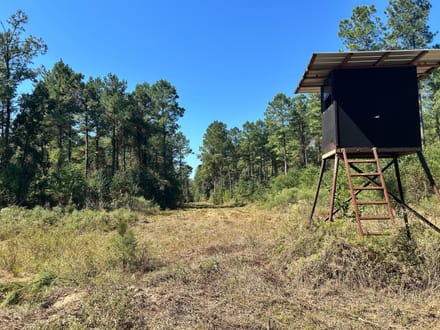
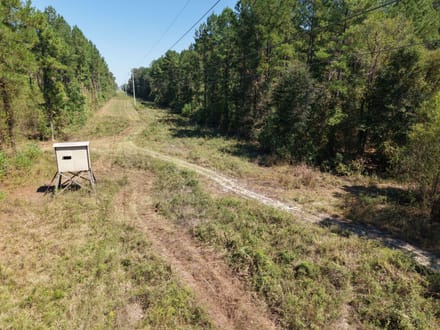

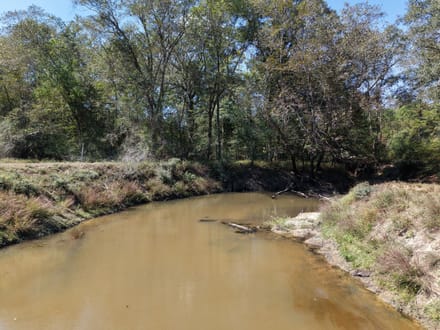


Mississippi Land For Sale: Forest, Farm Ground, and Hunting Country
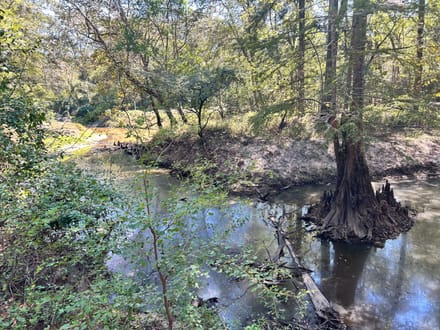
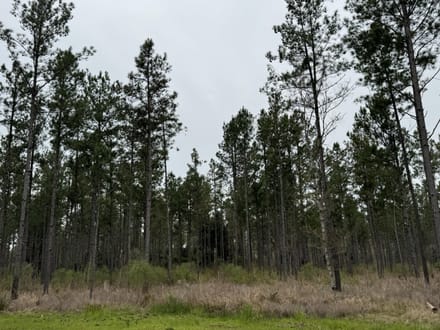
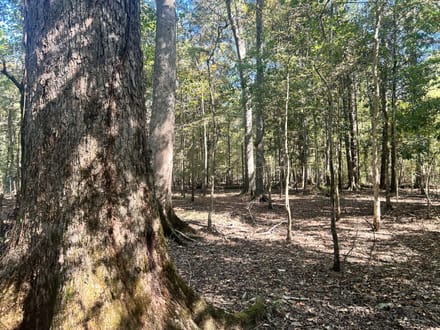
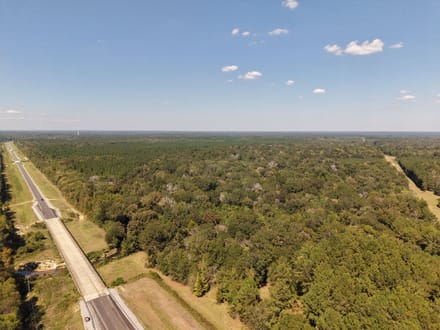
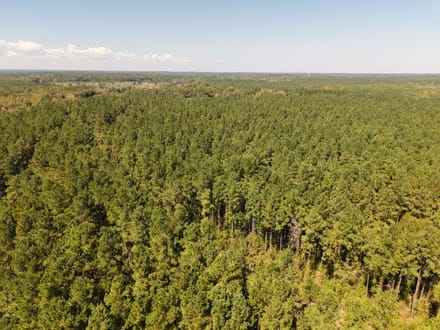
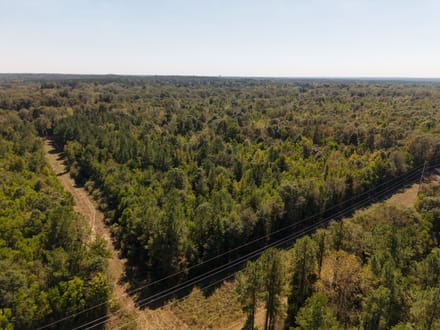
Mississippi is a land state at its core. Forest covers about 62 percent of it, close to 19.2 million acres, according to the Mississippi Forestry Commission. That timber base is why so many tracts here carry standing pine or hardwood you can manage, cut, or hold. The Delta in the northwest holds some of the richest row-crop soil in the country, strong for soybeans, corn, and cotton. Move south and east, and the ground turns to pine plantation, creek bottoms, and rolling hill pasture.
Land here can serve more than one goal, and that is the draw. Timber pays. Standing pine gives you thinnings and a final harvest on a cycle you control, and forestry ranks among the state’s top three agricultural crops in any year, per the Mississippi Forestry Commission. Farm ground pays too. Mississippi agriculture produced about $9 billion in value in 2024, led by poultry at $3.8 billion, according to Mississippi State University Extension.
Price is the other reason buyers look here. Mississippi ground runs below the national average, using 2025 USDA figures.
| Land type | Mississippi | U.S. average |
|---|---|---|
| Farm real estate (land and buildings) | $3,580 per acre | $4,350 per acre |
| Cropland | $3,960 per acre | $5,830 per acre |
Those numbers cover working farm ground. Timber and recreational tracts trade on their own drivers, such as standing timber value, water, wildlife, and access. The broader pattern still holds. Farm real estate in Mississippi has risen each year, from $3,030 per acre in 2021 to $3,580 in 2025, per USDA. Past gains are no promise of future returns, but the trend points to steady demand.
For hunters, this is serious country. The state’s deer herd runs near 1.75 million, and hunters take roughly 280,000 whitetails a season, according to the Mississippi Department of Wildlife, Fisheries, and Parks. Turkey and waterfowl pull their own following, and the Delta is well known for ducks. If you want ground to hunt beyond your own line, the state keeps more than 50 Wildlife Management Areas, and its six national forests open over a million acres to the public.
Reading a Mississippi Tract Before You Buy
Land changes fast here, so a few things decide whether a tract fits your plan.
- Timber. Age, species, and stocking tell you whether income comes soon or years out.
- Water. Creek frontage, ponds, and drainage shape both recreation and building.
- Access. Legal road access and interior trails set what you can do with the land.
- Soil. For crops or pasture, soil type and drainage drive what the ground can produce.
- Mineral rights. Confirm what conveys, since it affects both value and use.
Common Questions From Mississippi Land Buyers
Is Mississippi land a good investment? It can be, though no return is guaranteed. Farmland here has gained value every year since 2021, and timber tracts can earn income while you hold them, per USDA and Mississippi Forestry Commission data. Low entry cost, timber income, and steady demand give buyers real reasons to hold.
Can you hunt on land you buy in Mississippi? Yes. On private land you own, you can hunt in season with a valid Mississippi license, and many buyers manage their tracts for deer and turkey. The state sets seasons and bag limits through MDWFP, so check the current rules for your county and unit.
What can you do with rural Mississippi land? Quite a bit, depending on the tract. Common uses are growing and selling timber, hunting and recreation, running cattle or hay, row-crop farming in the Delta, or building a home or camp. Many owners combine a few, such as timber income on the back acres and a homesite up front.
Start with the listings above to sort by county, acreage, and price. When a tract catches your eye, talk with an agent who works this ground and can tell you what a fair deal looks like. You can also read more about our team and how we help land buyers.